
For The Next Chapter Of Your Premises
Asbestos Removal Glasgow
Survey the material. Understand the risk. Asbestos services for commercial buildings across the Clyde corridor.
Discuss Your SiteFor facilities teams, contractors & commercial landlords.
The Material. The Risk. The Right Next Step.
Make The Building Safe For What Comes Next
Asbestos removal Glasgow businesses can commission with a defined scope, controlled work area and documented handover. We help facilities managers, commercial landlords and contractors move from an uncertain material or survey finding to the appropriate next step. That might be investigation, licensed removal, a lower-risk removal task or protection of material that can safely remain.
The starting point is the building and the job, not a blanket instruction to remove everything. A warehouse roof replacement, an office fit-out and work inside a school plant room create different access, occupancy and exposure questions. Tell us what is changing, what information you already hold and which activities need to continue.
Our service covers commercial and industrial premises across Glasgow and nearby districts. Use the enquiry form to describe the location and the proposed work. With your agreement, your details may be shared with a suitable local firm so that the scope, competence and arrangements can be discussed before appointment.
Commercial Asbestos Services
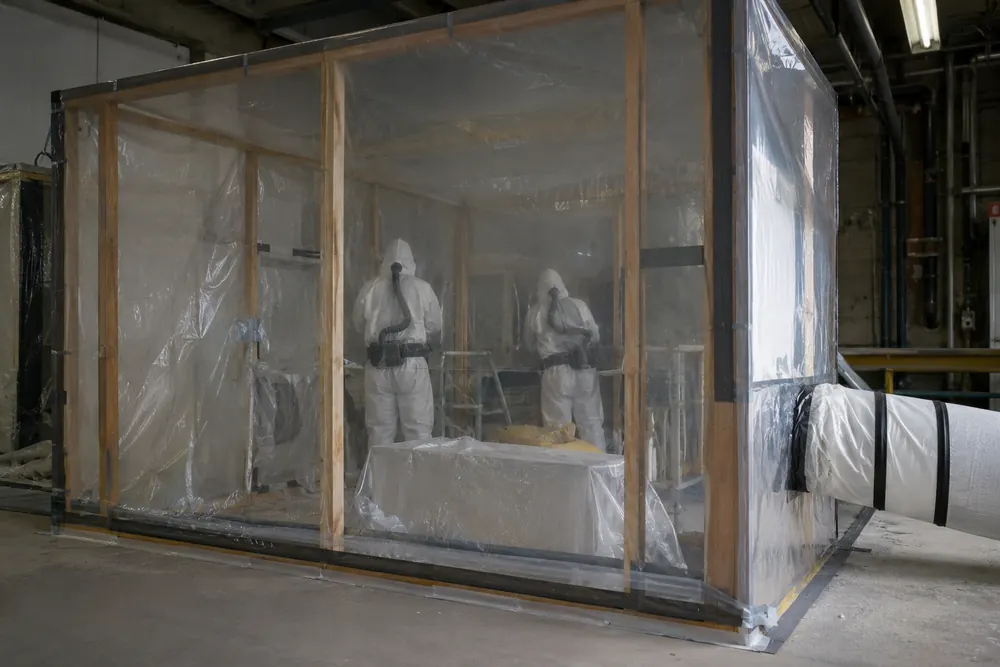
Licensed Asbestos Removal
Higher-risk materials, controlled removal and independent clearance.
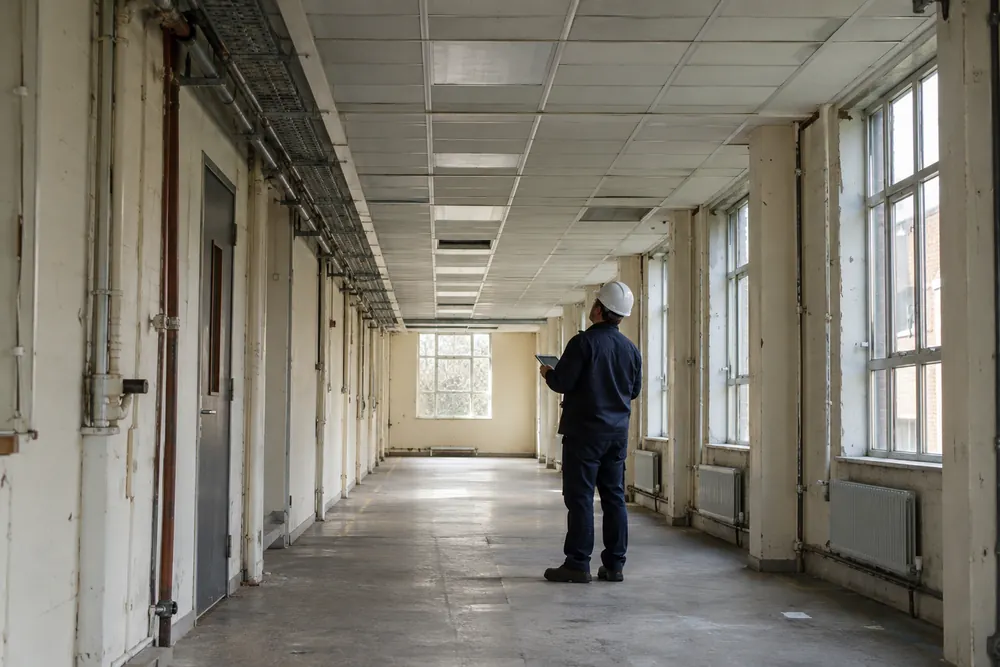
Asbestos Survey
Locate materials and support your commercial asbestos register.

Asbestos Testing
Professional sampling and accredited bulk material analysis.
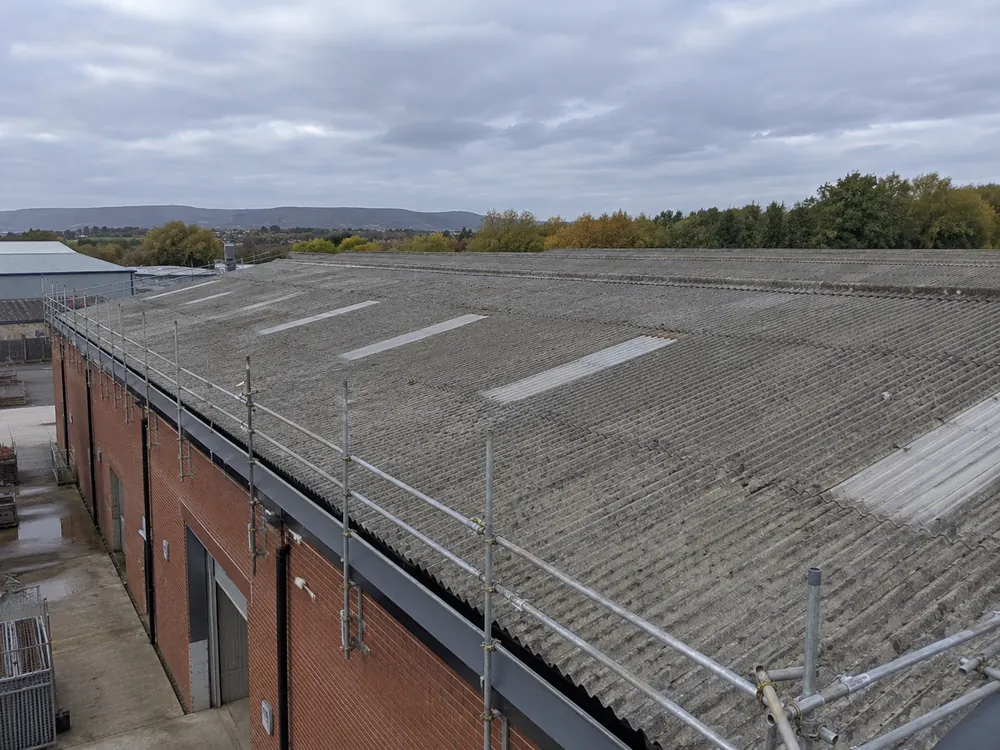
Asbestos Roof Removal
Commercial cement roofs, access planning and controlled waste routes.
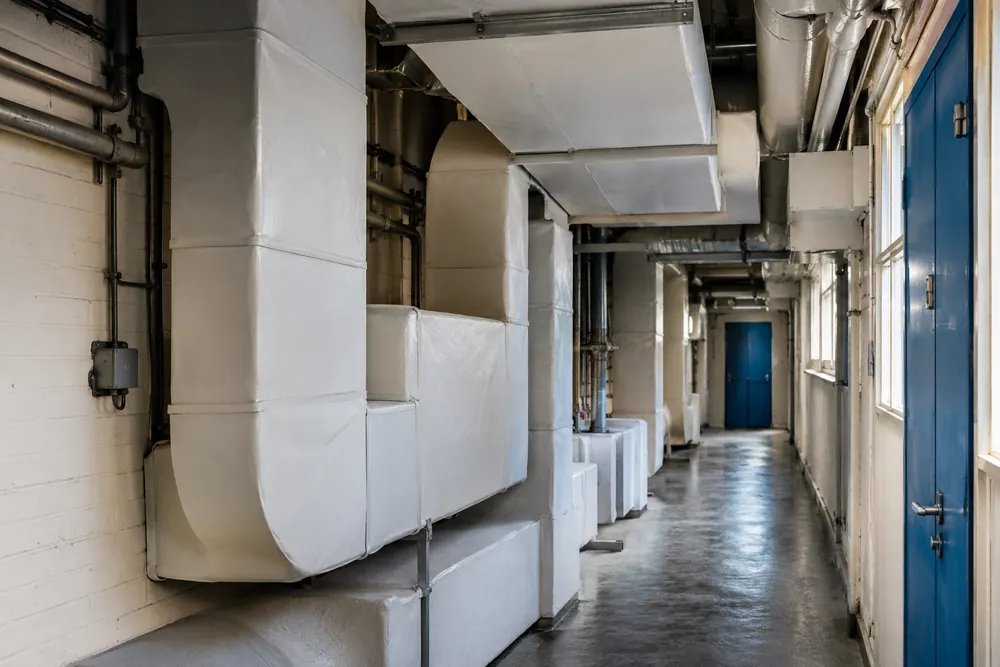
Asbestos Encapsulation
Protect suitable retained materials with a recorded management plan.
Asbestos Disposal
Contained commercial waste and Scotland’s consignment records.
Refurbishment And Demolition Survey
Intrusive investigation tied to the actual construction scope.
Before Anyone Disturbs The Fabric
Start With Evidence. Finish With Records.
Removal begins before the first enclosure is built. The survey needs to identify the materials affected by the job, and the work specification needs to say what happens to them.
A laboratory result, a management survey and a refurbishment survey answer different questions. Choosing the right evidence helps prevent work starting against an incomplete picture of the premises.
Our commercial asbestos survey guide explains how scope and access restrictions affect your report. For intrusive alterations, read about a refurbishment and demolition survey.
The Responsibilities Behind The Removal
For Glasgow businesses, the right decision follows the condition of the material, the work being planned and the people who could be exposed. These are the questions to settle before appointing a contractor.
Who Needs To Take Action
The Control of Asbestos Regulations 2012 apply to commercial premises in Glasgow. Regulation 4 places a duty to manage on those with relevant maintenance or repair responsibilities. Owners, landlords, tenants and managing agents need to establish their responsibilities from the lease and their actual control of the premises.
The duty involves finding or presuming asbestos, recording its location and condition, assessing disturbance risk and putting a management plan into action. Contractors who might disturb the material need the relevant information before they start. Commissioning a survey does not transfer the continuing management duty to the surveyor.
When Removal Is The Right Decision
Removal can be appropriate where material is damaged, difficult to protect or directly affected by planned works. It can also be necessary to make a construction sequence workable. The decision should explain why leaving the material in place is unsuitable and what the removal boundary includes.
Asbestos that is sound and unlikely to be disturbed may remain under management. Encapsulation or enclosure can be considered where technically suitable. An unnecessary removal can introduce disturbance, so the objective is an effective control of risk rather than removing every item simply because it appears in a register.
Choose The Correct Work Category
Licensed, notifiable non-licensed and non-licensed asbestos work are different legal categories. Classification depends on the material, condition, activity and expected exposure. Higher-risk insulation, sprayed coatings and many insulating-board tasks can need licensed work, while some cement-product tasks can meet the conditions for non-licensed work.
Ask the appointed contractor to explain the classification and provide a task-specific plan. A short duration or small quantity does not by itself establish an exemption. Current licensing, relevant competence and the proposed controls must be checked against the work actually being purchased.
Scotland’s Waste Requirements
The asbestos work rules operate across Great Britain, but the waste route needs Scottish detail. SEPA regulates special waste in Scotland under the Special Waste Regulations 1996. Asbestos waste must follow the appropriate special-waste consignment arrangements, with the carrier and receiving facility checked before movement.
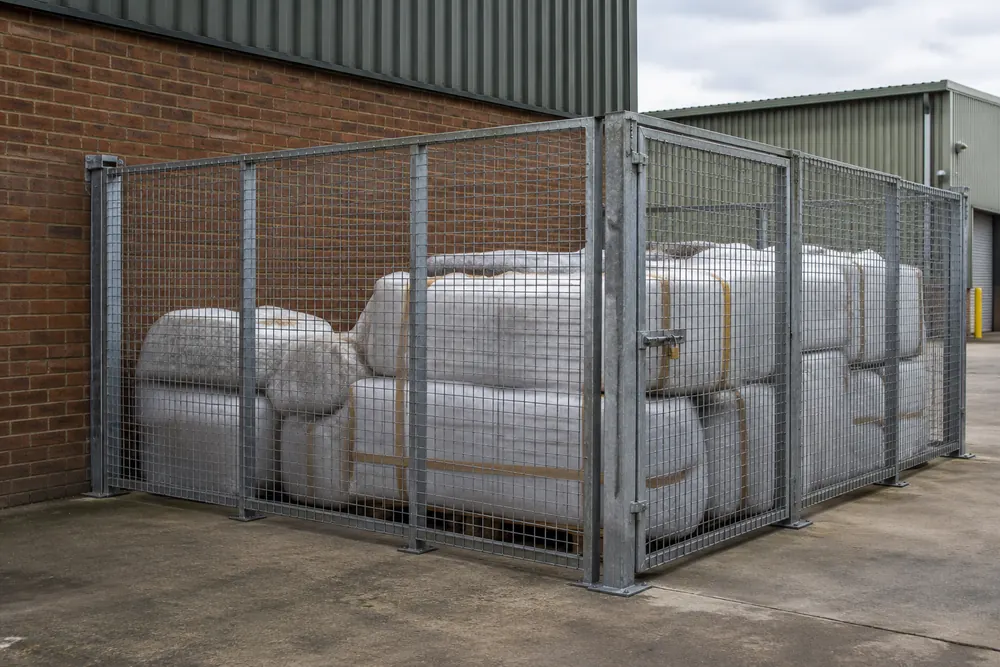
Agree who packages the material, where it will be held and which route the collection vehicle will use. Retain the completed consignment documentation with the removal records. An ordinary skip collection or an unexplained waste ticket is not an adequate substitute for an identified, lawful asbestos waste route.
Guidance: HSE’s duty to manage, asbestos work categories and SEPA special waste requirements.
From First Finding To Final Handover
A commercial asbestos project needs a workable sequence. Establish the facts early so investigation, notifications and access do not become unexpected obstacles when the next trade is due on site.
Establish The Facts
We start with the survey, sample result or description of the proposed work. Share marked plans and any access restrictions. If the information is incomplete, an appropriately scoped inspection comes before a firm removal specification.
Define The Work
Identify the materials, work boundary, occupancy arrangements and service isolations. The appointed contractor assesses the legal work category and required controls. Agree notification, access equipment, waste handling and analytical support before fixing the programme.
Control The Removal
The work follows the agreed risk assessment and plan. People and activities outside the work zone need protection too, including shared access, ventilation and delivery routes. Changes in material or scope must be assessed before work continues.
Complete The Handover
Obtain the specified cleaning and clearance records, with independent analytical checks where required. Keep the waste paperwork and removal scope together. Update the register to show what was removed, what remains and any continuing restrictions on access or maintenance.
What Changes The Cost Of Asbestos Removal?
An asbestos removal quotation should describe a defined job. Material type, condition, location and access affect the work, but so do enclosure requirements, decontamination arrangements, occupied areas and the route out of the building. Waste, analytical checks and replacement finishes can be separate parts of the budget.
Avoid comparing a collection-only price with a full removal and clearance scope. Ask what the quotation excludes, how unexpected materials will be handled and whether reinstatement belongs to another trade. Without suitable survey evidence and site information, a headline price can conceal important assumptions.
The product, friability, damage and extent determine the risk assessment and appropriate work category. A photograph alone cannot settle these questions.
Height, restricted risers, service isolations and separation from staff affect the method and programme. Agree access to welfare, loading and equipment locations.
Enclosures, decontamination, independent analytical work and the handover requirements need to be included where relevant. Check who commissions each part.
Identify packaging, carriage, receiving-facility charges and consignment records. Replacement finishes, insulation and new roof coverings need an explicit allowance or separate scope.
Across Glasgow. Along The Clyde.
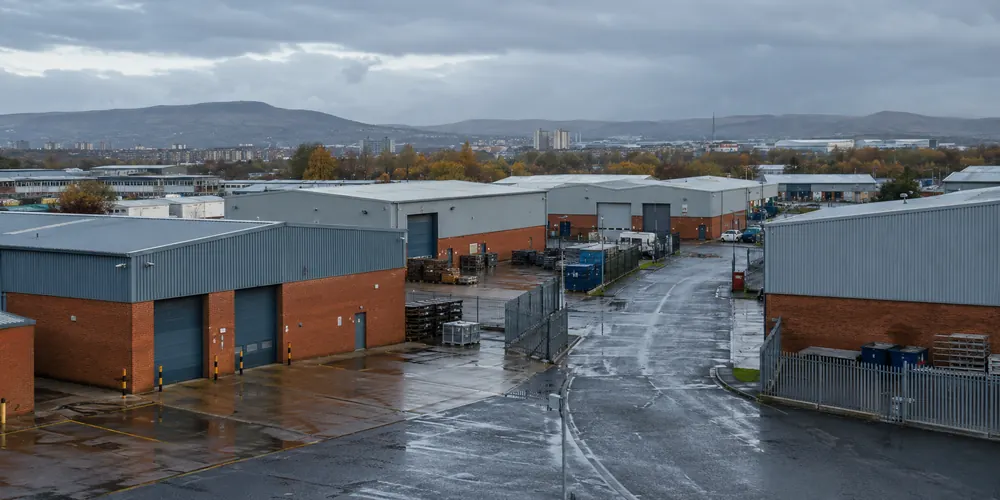
Glasgow’s commercial property needs include older workshops, industrial units, offices and buildings being adapted for new uses. In Dalmarnock, Clyde Gateway identifies both rail connections and the A728 corridor as part of the area’s infrastructure. In Hillington, the business park has motorway access and railway stations serving the estate.
These locations call for different practical questions. An industrial yard may need a controlled loading route, while an occupied office may need phased room access and coordination with other tenants. The age or appearance of a district does not prove asbestos is present in any particular building.
We cover central Glasgow and nearby business areas including Govan, Dalmarnock, Rutherglen, Cambuslang, Hillington, Renfrew, Paisley, Clydebank and East Kilbride. Give us the site postcode and the nature of the work so access and attendance can be discussed. Our coverage guide includes sourced local context without assuming the condition of individual premises.
Local references: Clyde Gateway and Hillington Park.
Explore Our Coverage And Local Context →Give Your Enquiry A Useful Starting Point
Before you enquire, find the most recent asbestos register or survey and identify the area of concern. A room reference, marked drawing or existing sample number is more useful than an uncertain estimate of the entire building. Tell us whether the material is intact, already damaged or due to be disturbed by a specific task.
Explain the proposed programme and occupancy. Include any school access arrangements, live production, restricted loading hours or shared tenant spaces that could affect the works. Do not enter an unsafe area or disturb material to collect more information, and do not upload personal records or sensitive security plans.
A useful quotation should let you understand the removal boundary, the contractor’s responsibilities and the conditions for handover. Confirm who appoints the analyst where required, who arranges waste movement and who updates the building records. These decisions help the next trade start with the right information and prevent an unfinished task being mistaken for a completed project.
Questions Before Commissioning Work
Know Where You Stand
Direct answers for commercial dutyholders. For further detail on quotations, retained materials and project records, visit our asbestos questions page.
Does Every Commercial Building Need Asbestos Removed?
Asbestos removal is not required simply because asbestos is present in a commercial building. Sound material that can remain undisturbed may be managed in place. Removal becomes relevant when condition, maintenance or planned work creates an unacceptable disturbance risk.
A competent assessment should explain the reason for removal and any suitable alternatives.
Who Has The Duty To Manage Asbestos?
The duty to manage asbestos generally sits with the person or organisation responsible for maintenance or repair of commercial premises. That may be an owner, landlord, tenant or a combination of parties. Review the lease and actual control of the building, then identify who keeps the register, commissions work and informs contractors.
Is All Asbestos Removal Licensed Work?
Asbestos removal is licensed work when the assessed risk and regulatory conditions require an HSE-licensed contractor. Other work can be non-licensed or notifiable non-licensed, with controls still required. The material, its condition and the proposed method must be assessed together before the contractor and programme are selected for your Glasgow premises.
What Should We Do If Suspect Material Is Damaged?
Damaged suspect asbestos needs a controlled response. Stop the activity, restrict access to the affected area and report it to the person responsible for the premises. Do not sweep, vacuum or move debris using ordinary cleaning equipment.
Arrange a competent assessment so the extent of the problem and the appropriate controls can be established.
Do We Need A Survey Before A Commercial Fit-Out?
A commercial fit-out needs asbestos information that covers the materials the work will disturb. A management survey may not reach concealed construction, so a refurbishment survey can be required for the project area. Give the surveyor the drawings and work scope, and resolve access restrictions before strip-out, drilling or structural work begins.
How Is Asbestos Waste Handled In Scotland?
Asbestos waste in Scotland is handled as special waste, with suitable containment, an appropriate carrier and an authorised receiving facility. A Scottish special waste consignment note is required for the movement. Agree the route and documentation before removal starts, then retain the completed records alongside the project and building management documents.
Can Our Premises Remain Occupied During Removal?
Occupation during asbestos removal depends on the material, location and controls. Some work needs an isolated enclosure or a vacant area, and nearby activities may need to stop. Explain staff routes, shared services, production and access requirements at the outset so the appointed contractor can define safe boundaries and the conditions for reoccupation.
Your Site. Your Next Step.
Tell Us What You Have Found
Start with the postcode, the type of commercial premises and the work you need to carry out. If you already have a survey, mention its date and the material reference.
With your agreement, a suitable local firm can receive your enquiry to discuss the scope and next steps. A submission does not book a visit or authorise any works.
Leave suspect material undisturbed. The enquiry form is not an emergency reporting channel.